
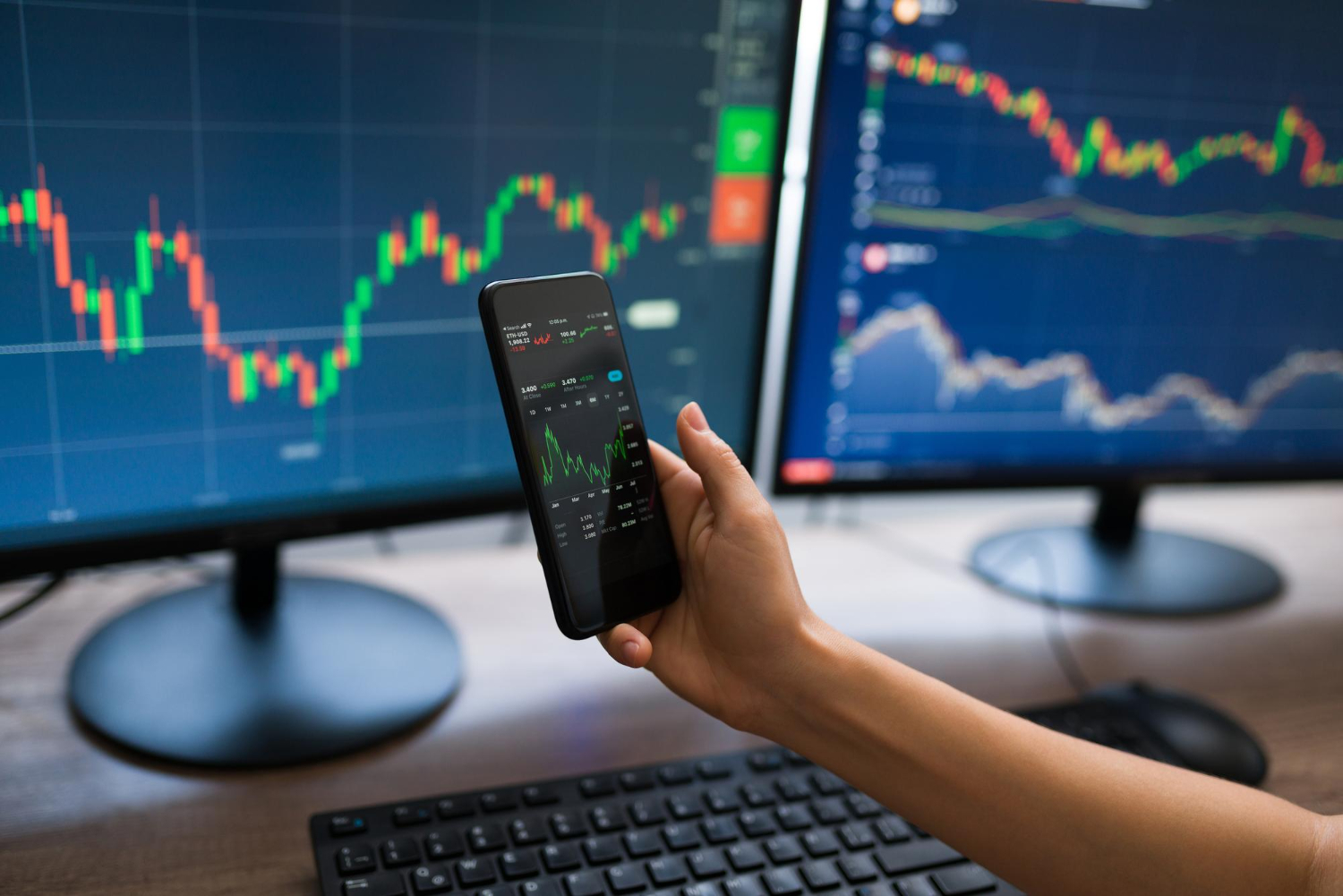
Forex trading has gained significant traction in Malaysia, appealing to both experienced investors and newcomers who are eager to navigate the financial markets. Many potential traders often inquire about its legality and the regulations that govern this practice. This overview will examine the roles of key regulatory bodies, including the Securities Commission Malaysia and Bank Negara Malaysia, while also clarifying whether trading forex can be equated with gambling. By the conclusion of this discussion, you will possess the knowledge necessary to engage in trading in a successful and responsible manner.
The Legality of Forex Trading in Malaysia
Forex trading in Malaysia has garnered considerable attention in recent years, offering a distinctive opportunity for both retail and institutional investors to engage in the global financial markets.
However, the legality of this trading activity is contingent upon adherence to the established regulations set forth by regulatory bodies, such as the Securities Commission Malaysia and Bank Negara Malaysia.
A thorough understanding of these legal frameworks is essential for anyone intending to participate in currency exchange activities, as they influence various aspects, including broker licensing and consumer protection measures.
Overview of Forex Trading in Malaysia
Forex trading in Malaysia presents a dynamic environment for investors interested in online trading, utilizing various trading platforms that provide access to the foreign exchange market. As the popularity of Forex trading continues to rise among retail investors, it is crucial to comprehend the fundamental aspects of currency exchange and the structure of the market.
This increasing interest signifies a heightened awareness of the trading of currency pairs and the potential for profit that exists within this fast-paced arena. Investors can select from a range of trading platforms, from user-friendly interfaces designed for beginners to sophisticated systems equipped with comprehensive analytical tools for experienced traders.
Forex trading offers diverse opportunities, catering to both retail investors seeking to expand their portfolios and institutional participants aiming to manage currency risk and facilitate larger transactions. This financial avenue not only enhances investment strategies but also fosters a deeper understanding of global economic dynamics.
Regulations and Laws Governing Forex Trading in Malaysia
The regulations and laws governing Forex trading in Malaysia are critical for establishing a transparent and secure trading environment, thereby protecting investors from potential risks such as market manipulation and financial crime.
This regulatory framework is primarily influenced by the Securities Commission Malaysia and Bank Negara Malaysia, which formulate comprehensive trading regulations that all participants in the market are required to follow.
Securities Commission Malaysia (SC)
The Securities Commission Malaysia (SC) plays a crucial role in overseeing the regulatory framework governing Forex trading within the country. Its mandate ensures that Forex brokers operate in compliance with established trading regulations, thereby protecting consumers and maintaining the integrity of the market.
The SC’s emphasis on compliance and ethical trading practices fosters a transparent environment for all market participants.
This oversight includes the implementation of rigorous licensing requirements for Forex brokers, which demand adherence to regulations concerning capital adequacy and operational conduct. By requiring brokers to make timely disclosures and report their trading activities, the SC enhances accountability and mitigates the risks of fraud.
Furthermore, initiatives such as the Best Execution policy and guidelines regarding the handling of client funds are instituted to uphold high standards of practice within the Forex market.
The SC also regularly conducts educational campaigns aimed at informing investors about their rights and the fundamentals of safe trading, further reinforcing its commitment to safeguarding investor interests.
Bank Negara Malaysia (BNM)
Bank Negara Malaysia (BNM) serves as the central bank tasked with promoting financial stability in Malaysia, playing a pivotal role in the regulation of Forex trading activities. By establishing clear trading regulations, BNM ensures that the foreign exchange market operates efficiently and remains resilient against potential economic disruptions.
This regulatory framework is designed not only to protect investors but also to enhance the overall integrity of the economy. By setting forth guidelines for market conduct and implementing stringent compliance measures, the central bank aims to mitigate systemic risks.
BNM actively monitors the operations of financial institutions engaged in Forex trading to ensure compliance with established policies. Its proactive approach encompasses periodic assessments and updates to regulatory rules, enabling a dynamic response to changes in the global market.
Through these efforts, BNM fosters confidence among market participants, thereby reinforcing the stability of the Malaysian economy.
Is Forex Trading Considered Gambling in Malaysia?
The distinction between Forex trading and gambling is a subject of significant debate in Malaysia, with many investors expressing concern regarding the investment risks associated with trading.
Forex trading entails the use of strategic analysis and trading psychology to effectively navigate market trends, whereas gambling predominantly depends on chance. This contrast raises important questions about the legality and ethical considerations of trading practices within the financial markets.
Differences Between Forex Trading and Gambling
The fundamental differences between Forex trading and gambling reside in the methodologies employed. Forex trading emphasizes analytical trading strategies and informed investment decisions, whereas gambling predominantly relies on chance and luck. This distinction underscores the significance of risk management and strategic planning in achieving success in Forex trading.
In Forex trading, individuals utilize a range of tools and indicators to analyze market trends and make informed predictions regarding future price movements. Unlike gambling, where outcomes are uncertain and beyond one’s control, currency traders can leverage historical data, economic reports, and geopolitical events to develop their strategies.
The use of stop-loss orders and position sizing in Forex trading considerably reduces potential losses, promoting a more disciplined approach.
This reliance on structured analysis and systematic execution stands in stark contrast to the unpredictable nature of gambling, where outcomes can fluctuate dramatically based solely on random events.
How to Start Forex Trading in Malaysia
Embarking on Forex trading in Malaysia necessitates a systematic approach that encompasses a comprehensive understanding of the market landscape, the selection of a reputable broker possessing the requisite licenses, and the establishment of a trading account that aligns with one’s investment objectives.
Furthermore, acquiring Forex education is essential for effectively navigating the complexities associated with online trading.
Choosing a Broker
Selecting the appropriate Forex broker is essential for successful trading, as it can profoundly influence overall trading experiences and outcomes. Investors should prioritize brokers that possess valid licenses, provide reliable trading platforms, and emphasize consumer protection to ensure a secure trading environment.
A well-regulated broker not only fosters a secure trading atmosphere but also enhances a trader’s confidence in the services provided.
When assessing Forex brokers, prospective traders should closely examine the various types of trading platforms available, as user-friendly, robust, and feature-rich options can facilitate the trading process and accommodate diverse strategies.
Comprehensive consumer protection measures, such as negative balance protection and segregated accounts, are vital in safeguarding investors’ funds.
To evaluate a broker’s credibility and reliability, it is advisable to actively seek reviews from current or former clients and consider the broker’s reputation within the trading community, as these factors can offer valuable insights.
Opening a Trading Account
Opening a trading account is a critical step in initiating one’s Forex trading journey, as it provides access to the currency exchange market and facilitates the execution of trades. Depending on an individual’s level of experience, one may choose between demo accounts for practice or real accounts for live trading.
The process typically begins with the selection of a reputable broker that offers both types of accounts. A demo account allows aspiring traders to experiment with a virtual balance under real market conditions, which serves as an excellent opportunity to build confidence without risking actual capital.
Conversely, transitioning to a real account involves several compliance requirements. Traders are generally required to submit necessary documentation, including identification, proof of address, and financial information, to meet regulatory standards. This step ensures that the broker adheres to strict guidelines aimed at protecting both the trader and the integrity of the market.
Tips for Successful Forex Trading in Malaysia
To achieve successful Forex trading in Malaysia, investors must implement a combination of effective trading strategies, comprehensive market analysis, and a solid understanding of trading psychology.
These components collaboratively enhance decision-making processes and improve trading performance within the volatile foreign exchange market.
Understanding Market Trends and Strategies
Understanding market trends is essential for formulating effective trading strategies in Forex trading, as it enables investors to anticipate price movements and seize trading opportunities. The application of technical analysis, coupled with a comprehensive awareness of Forex trading trends, can significantly enhance the decision-making process.
Effective market analysis provides traders with the necessary tools to interpret price charts, identify patterns, and detect potential reversals or continuations in the marketplace. By utilizing various technical analysis methods, including trend lines, moving averages, and indicators such as the Relative Strength Index (RSI), traders can acquire a deeper insight into market dynamics.
Recognizing these trading trends not only assists in determining optimal entry and exit points but also promotes the development of customized trading strategies that align with an individual’s risk tolerance and market outlook. Ultimately, this analytical approach leads to more informed trading decisions and improved performance in the rapidly evolving Forex market.
Risk Management and Money Management
Effective risk management and money management are fundamental components of successful Forex trading, as they enable investors to mitigate potential losses and enhance overall trading performance. By balancing investment risks with appropriate trading strategies, traders can adopt a sustainable approach to the Forex market.
A comprehensive understanding of the principles underlying these concepts is essential for navigating the volatile currency markets. One effective strategy involves the use of stop-loss orders, which automatically close a position at predetermined levels to limit potential losses.
Additionally, employing position sizing techniques allows traders to regulate the amount of capital at risk on each trade, ensuring that no single loss disproportionately affects their overall account.
Maintaining a disciplined trading approach can be accomplished by adhering to a well-defined trading plan, establishing realistic profit targets, and regularly reviewing and adjusting strategies in response to market conditions. By integrating these practical recommendations, traders can effectively shield themselves from unnecessary risks while optimizing their trading outcomes.